Art Archive • Mucha
Art Nouveau
Mucha Gallery (Guide)
From stage muses to commercial posters, decorative panels, and a quiet late chapter.
Alphonse Mucha’s Art Nouveau posters and decorative panels — public-domain reproductions from Wikimedia Commons.
When Alphonse Mucha’s poster for Sarah Bernhardt’s Gismonda appeared on Paris street corners in 1894, decorative line and the idealized female figure became a new visual language. Mucha shaped Art Nouveau through theatre posters, commercial advertising, and sets of decorative panels.
This gallery is arranged in four rooms: stage muses, the golden age of commercial posters, decorative panel series, and a quiet late chapter toward the Slav Epic.
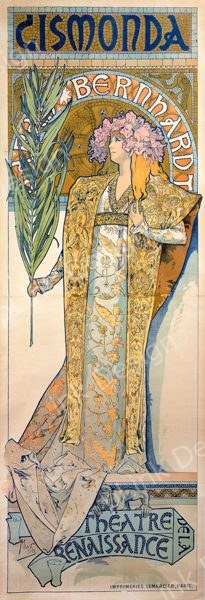
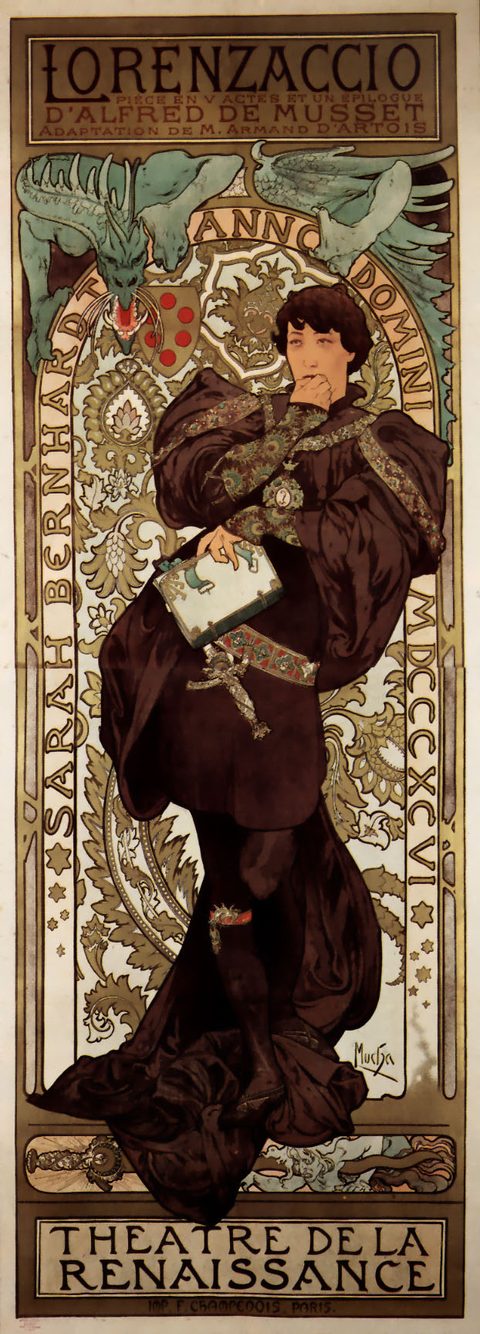
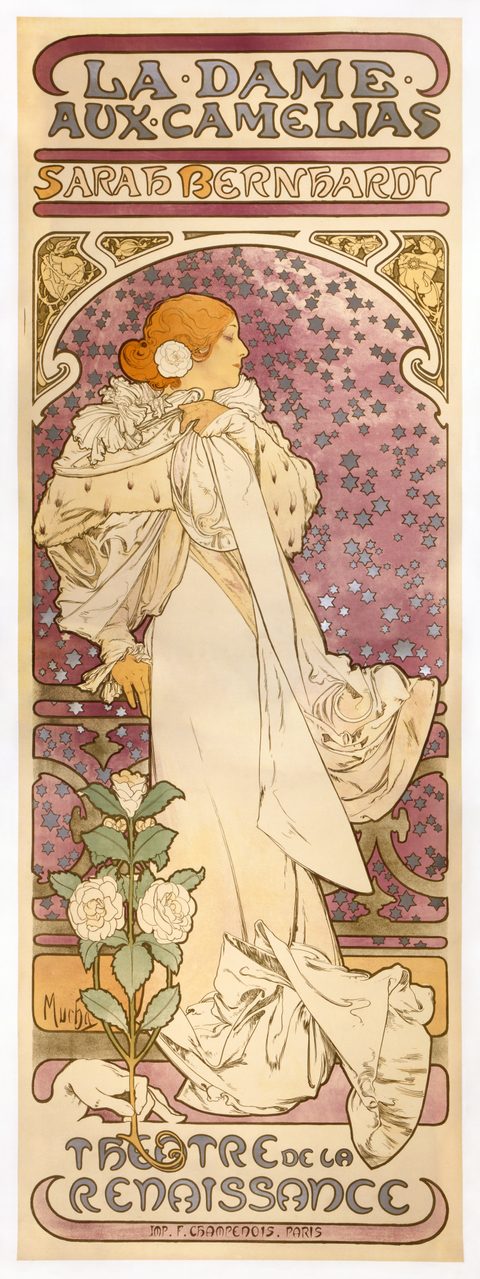
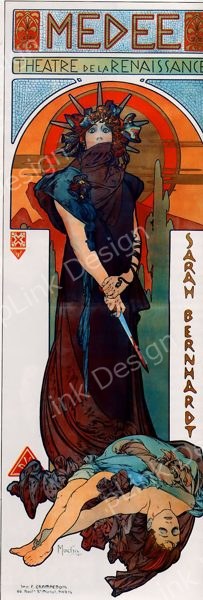
Stage Muses
舞台のミューズ
Gismonda, Medea, La Dame aux Camélias, Lorenzaccio — the moment theatre posters became street decoration.
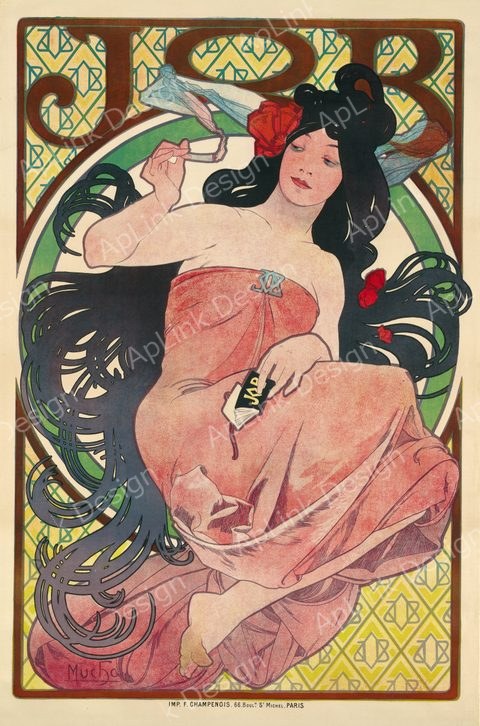
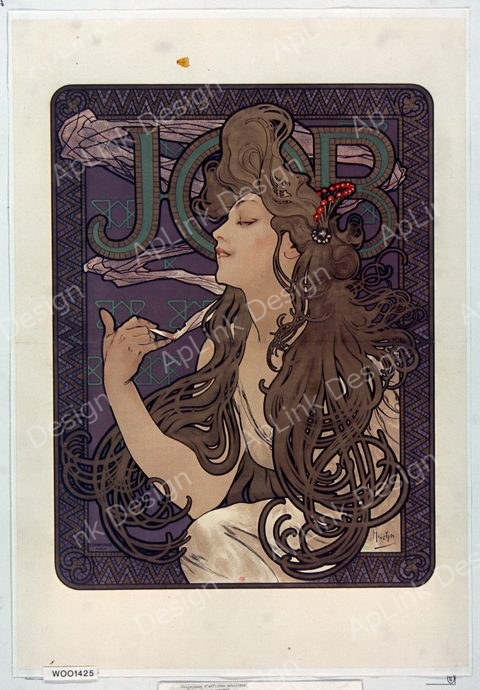
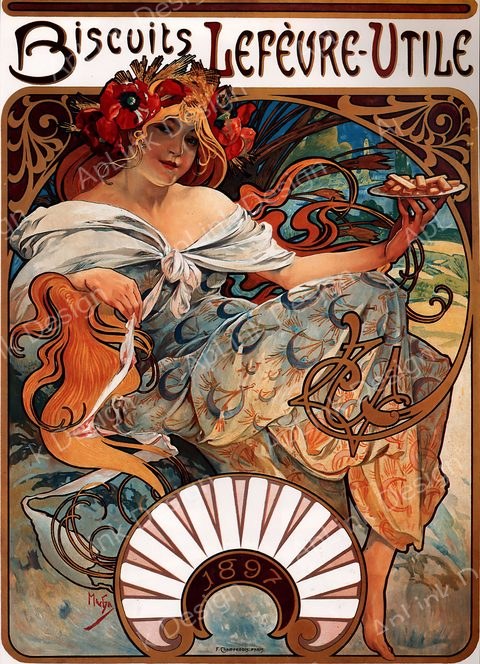
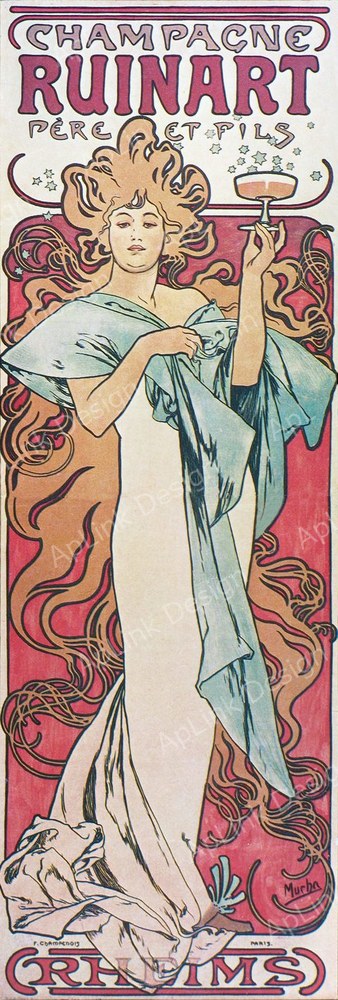
Commercial Posters
商業ポスターの黄金時代
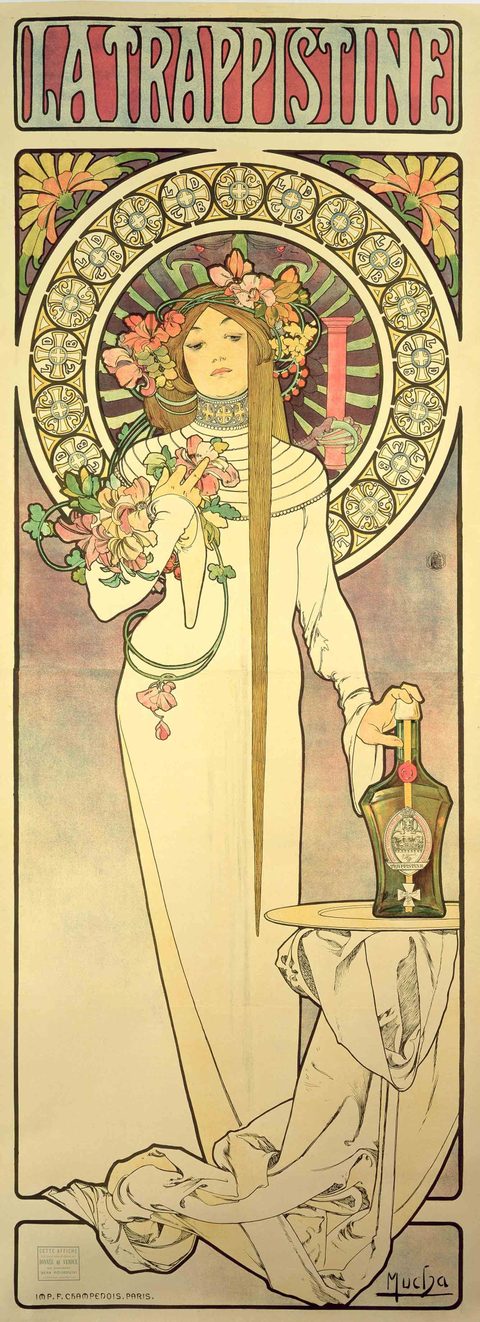
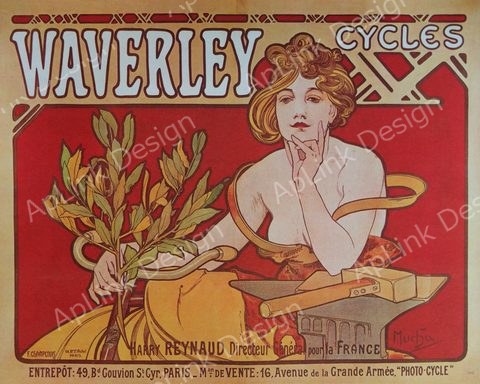
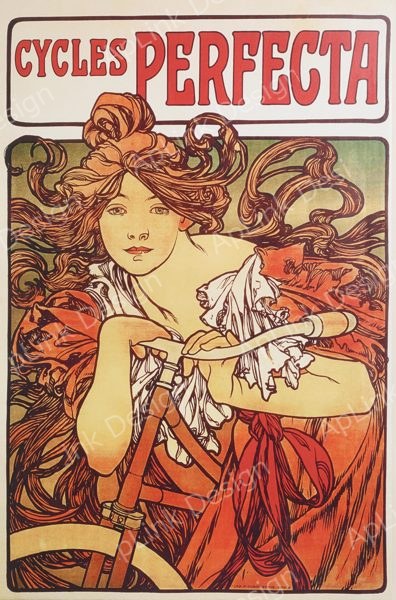
Job, Ruinart, Cycles Perfecta, Waverley — commercial art where print technique met decorative line.
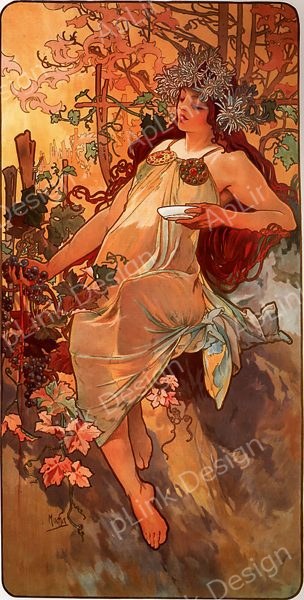
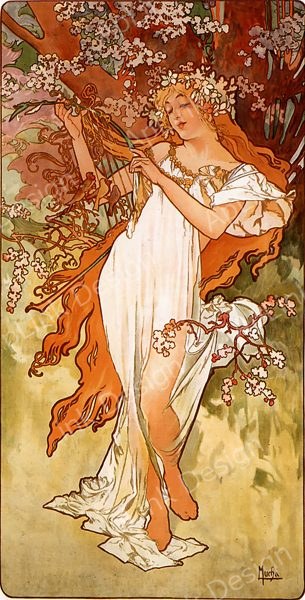
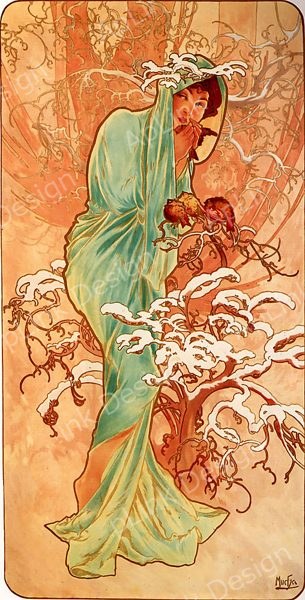
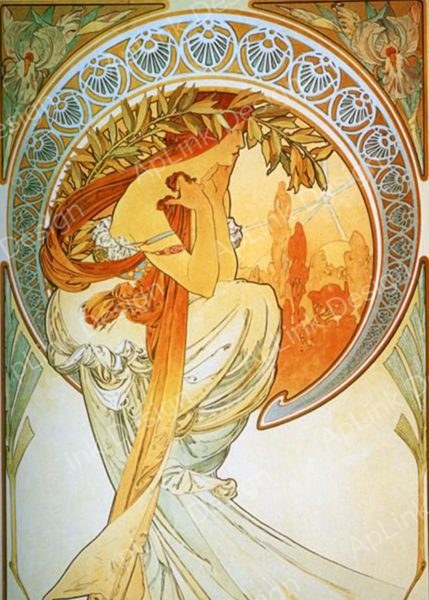
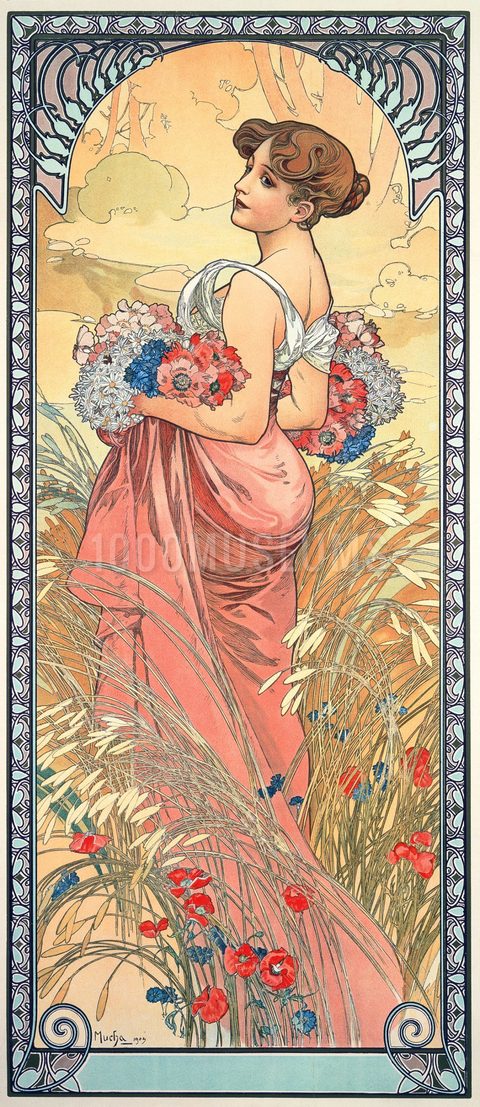
Decorative Panels
装飾パネル連作
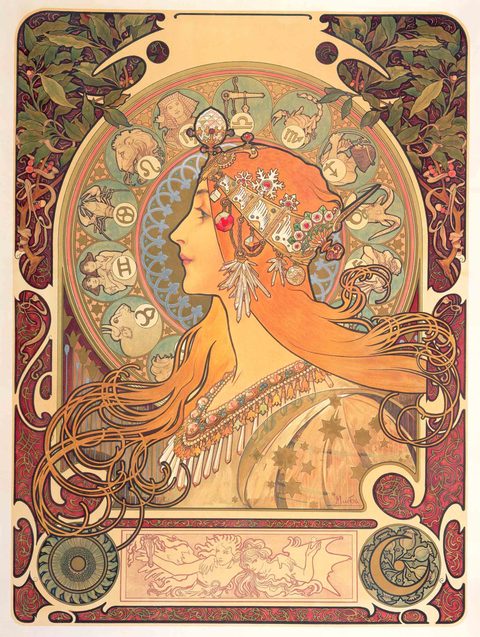
The Seasons, Zodiac, Poetry — decorative panels meant to be seen as a series.
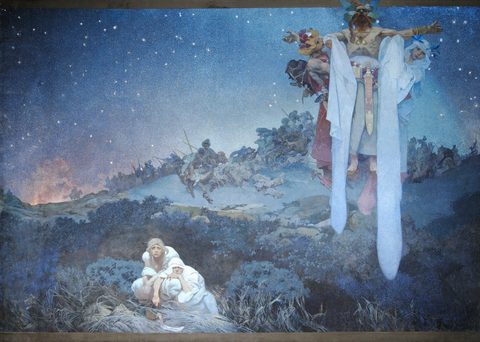
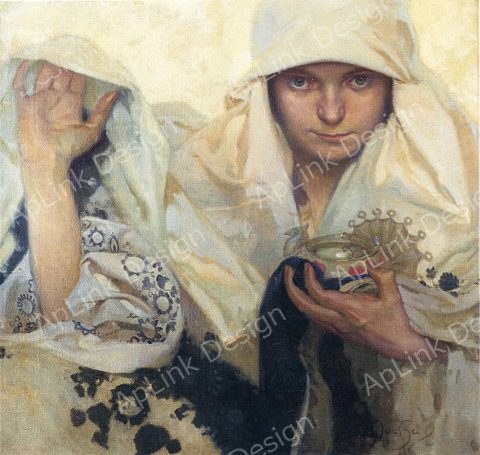
Late Period
晩年と転換期
From decorative documents toward the Slav Epic — a quieter passage beyond the posters’ brilliance.
These are digital reproductions of public-domain works. They are not licensed or endorsed by the Mucha Foundation.